
This largish “compact” crossover SUV is luxurious, quiet, and offers substantial range along with premium features, making it a truly competitive luxury EV—and shoppers are noticing.
The conversion of GM’s luxury brand Cadillac to an all-electric product line has been a quietly seismic event over the last decade. The brand is finding (it says) newer, younger and more tech-forward buyers, versus the aging customers who bought its luxury land barges of yore. But while the Lyriq mid-sized crossover SUV went on sale in July 2022, the electric model that may be Cadillac’s most important EV globally didn’t land in showrooms for more than two years after that.
The Optiq, a largish “compact” crossover SUV, could become the luxury brand’s highest-volume vehicle worldwide. At a US starting price of around $50,000, the Optiq is the most affordable Cadillac EV. But it’s also assembled in Mexico, making it subject to tariffs when or if the ever-shifting landscape of trade policy settles down. Still, by the second quarter of this year, it was Cadillac’s second-best selling electric model in the US after the well-established Lyriq.
The Optiqs we’ve driven have been calm and quiet inside, with elegant fabrics and trim to cosset occupants. Overall, the Optiq is perfect for long-distance travel or around-town use—and perhaps the best environment for GM’s excellent Super Cruise hands-free adaptive cruise control, which now includes automatic lane changes.
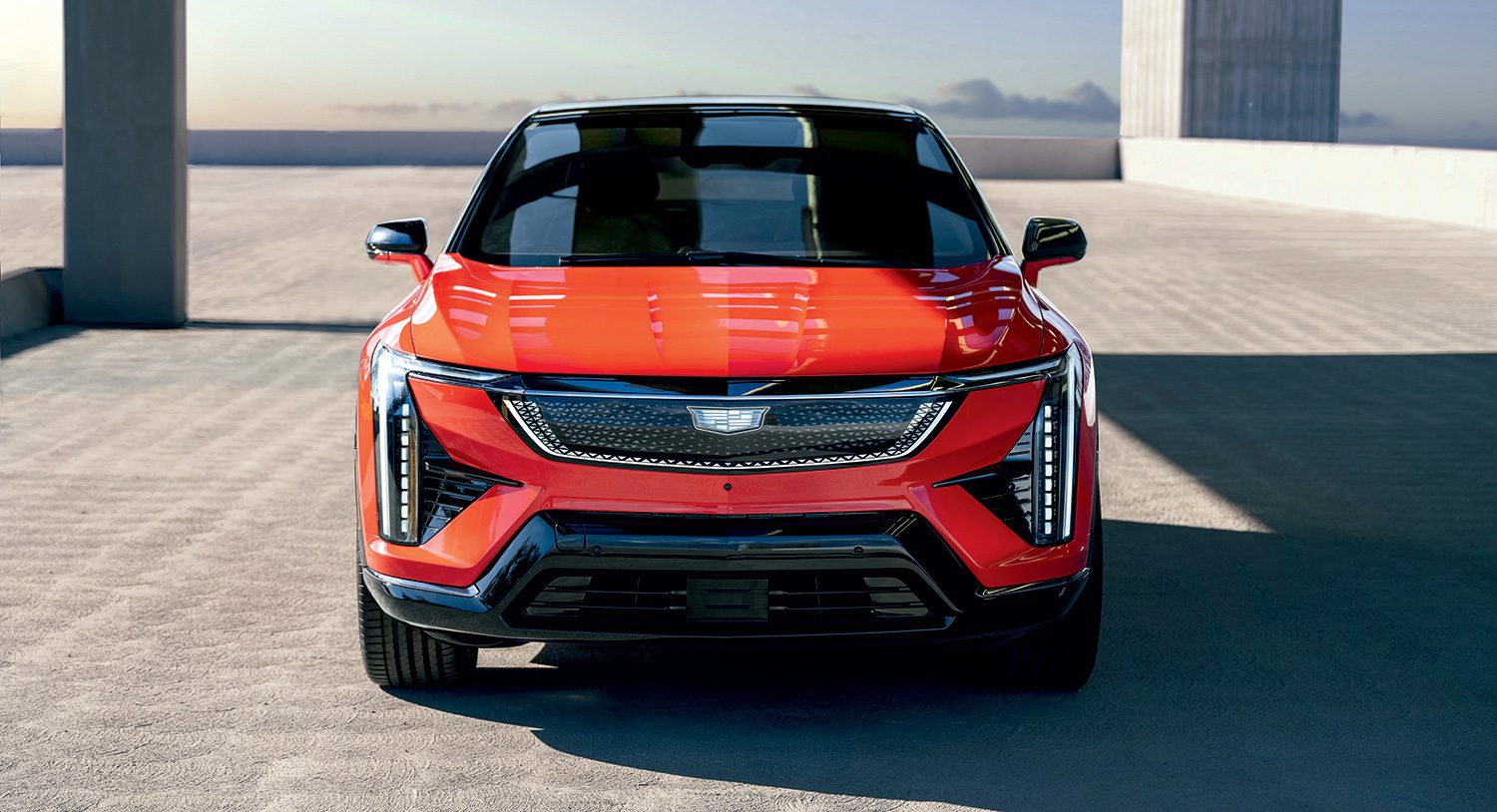
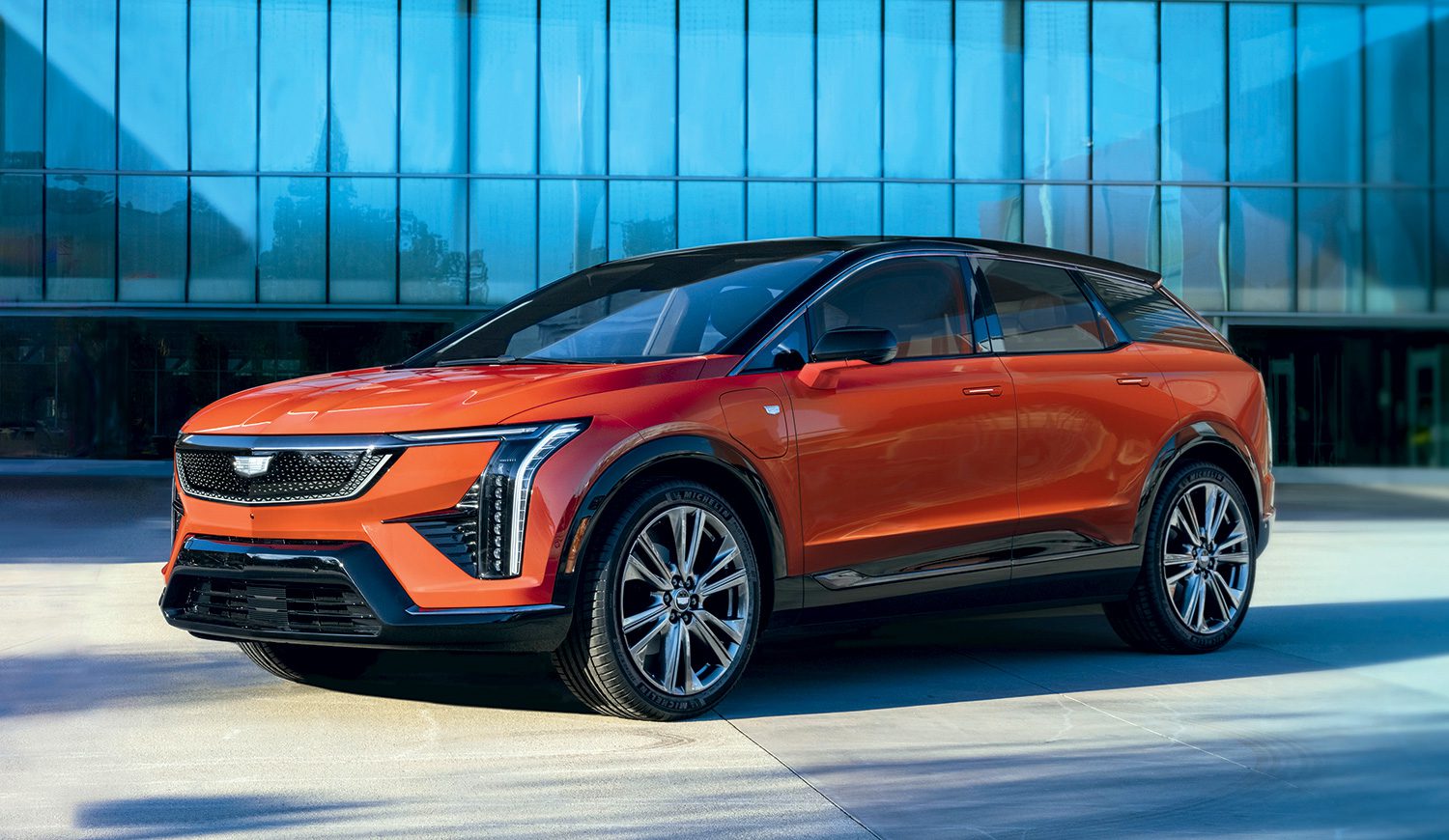
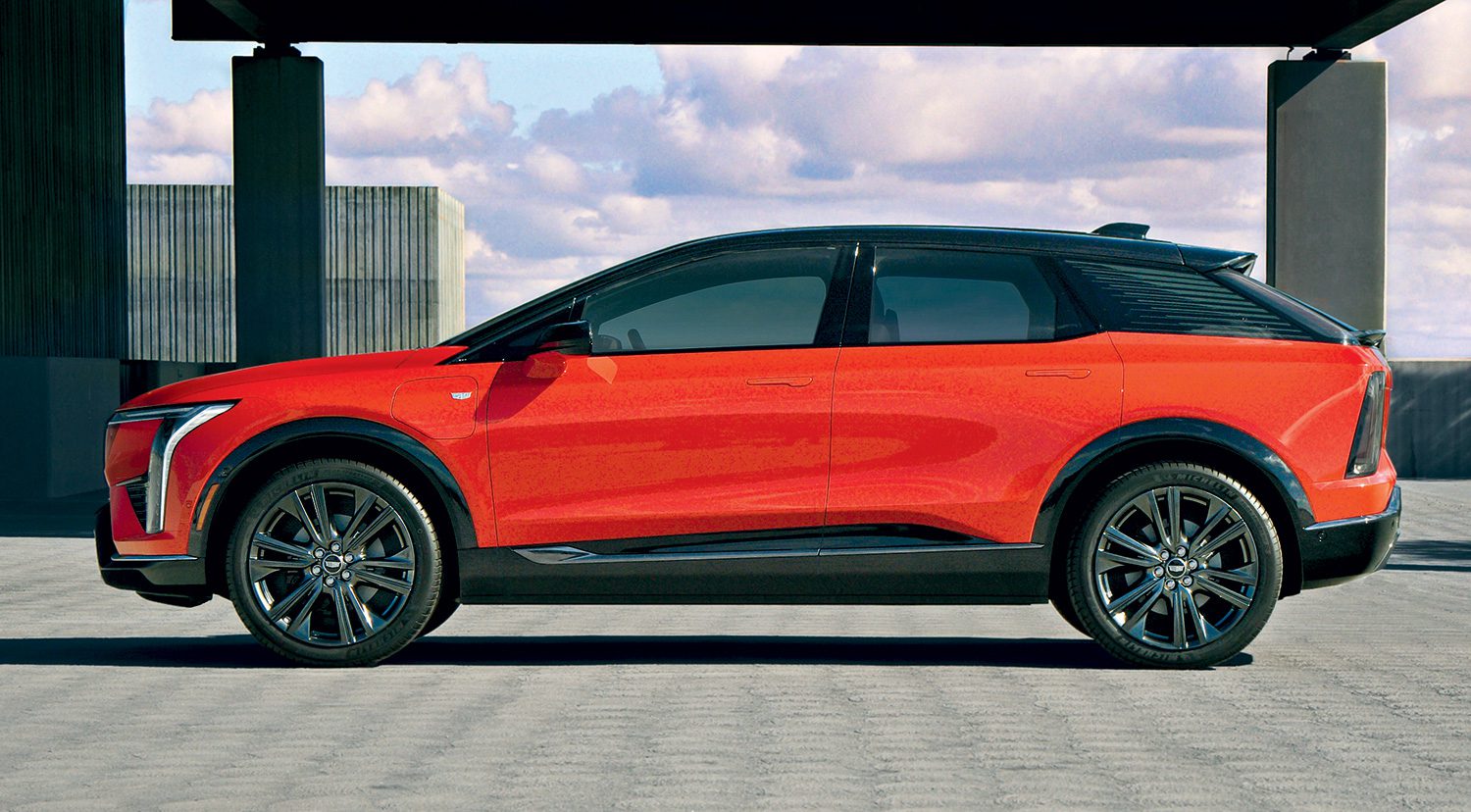
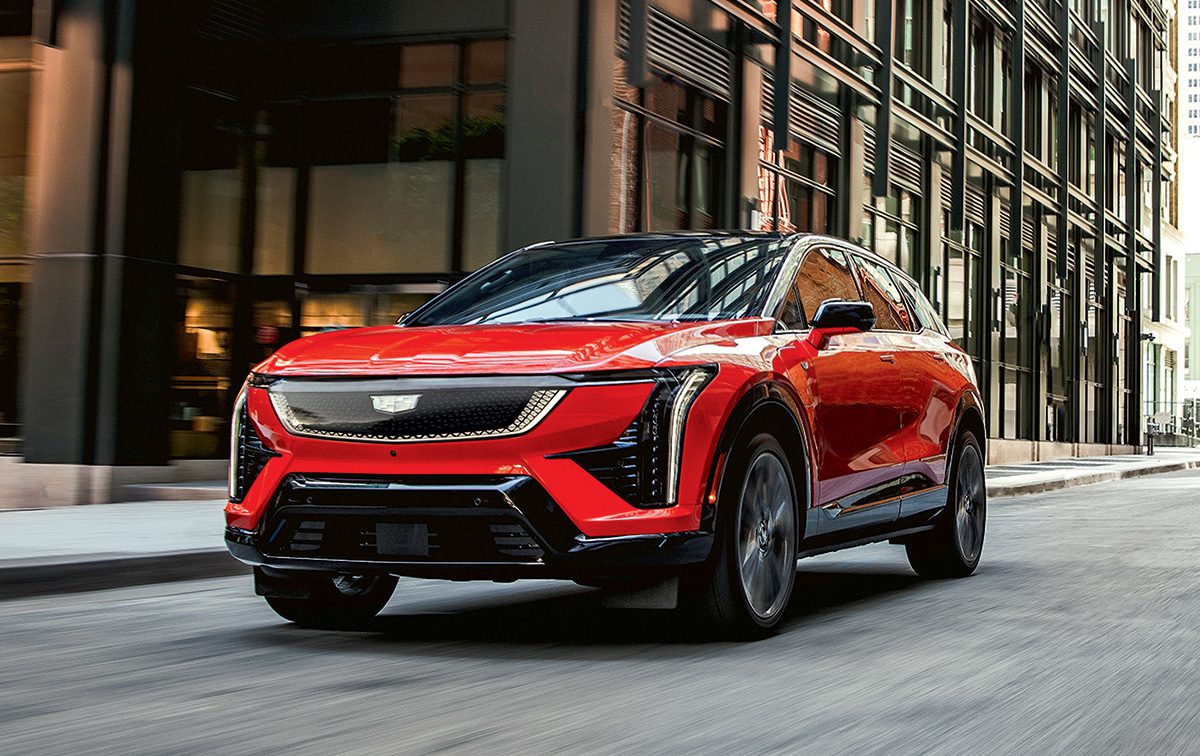
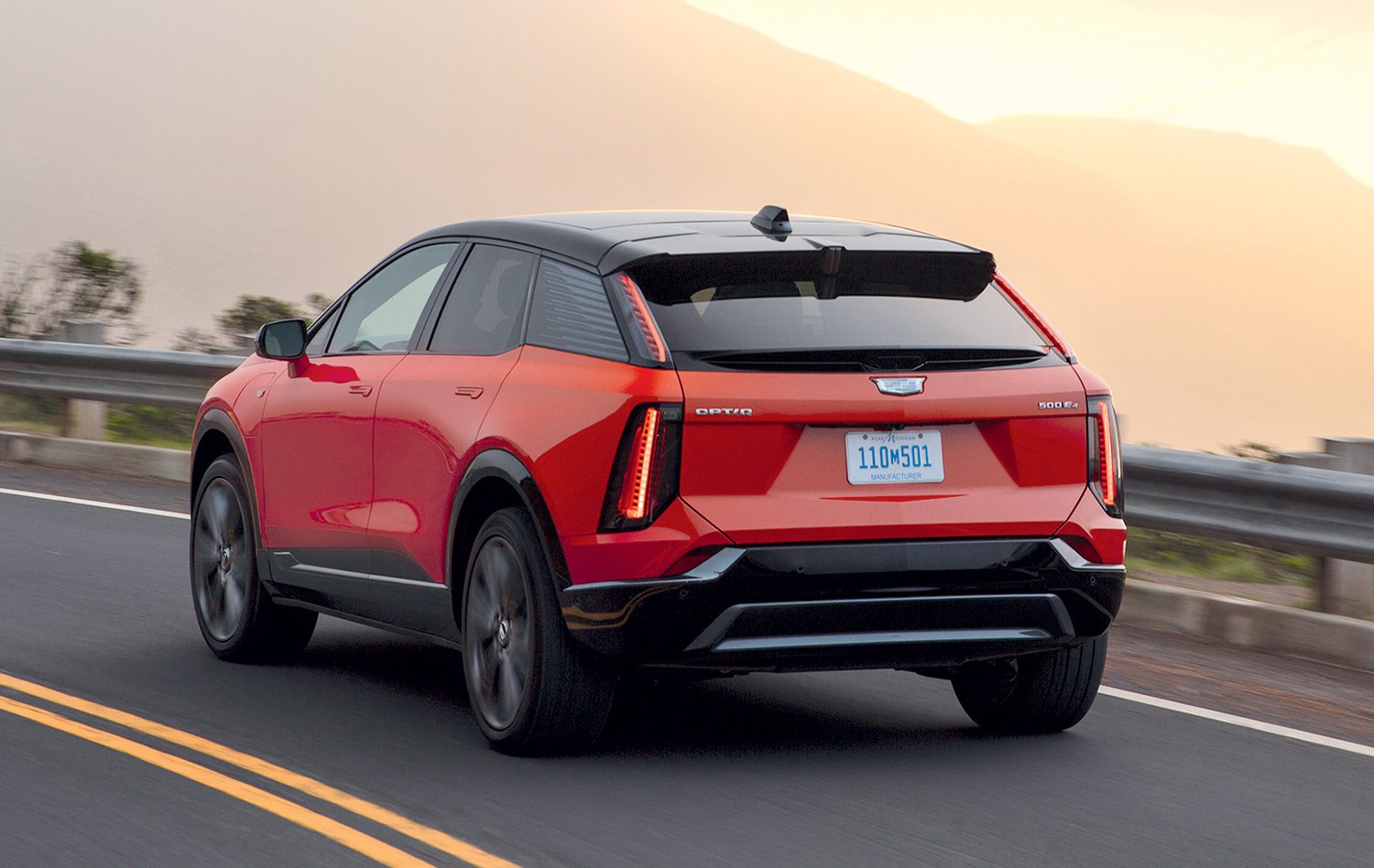
Cadillac’s small SUV isn’t perfect: the exterior styling is more of a judgment call, and the rear quarters are downright peculiar. It’s missing a front trunk and a rear wiper, and neither Android Auto nor Apple CarPlay can be included (in the US) no matter how loud buyers scream. Acceleration of the standard versions is deliberate, though we’ve not yet driven the Optiq-V performance model. That one received rave reviews from both buff books and general outlets.
Two thirds handsome?
This is the smallest and shortest Cadillac, and the front two-thirds of the Optiq largely echo the other EV models in the lineup. It’s at the rear where things start to go wrong—perhaps from designers trying too hard to be avant-garde in the brand’s shortest vehicle. The combination of a beltline that kicks up, the very short overhang behind the rear wheels, the signature vertical rear lights running up the side of the tailgate, and a strange pattern on the third side windows that superimposes lines that aren’t actually horizontal is just incoherent.
This is the smallest and shortest Cadillac, and the front two-thirds of the Optiq largely echo the other EV models in the lineup.
It offers a little too much visual stimulation in too small a space. The rest of Cadillac’s electric SUVs, as well as the Celestiq ultra-luxury sedan, use the same design cues to better and more pleasing effect.
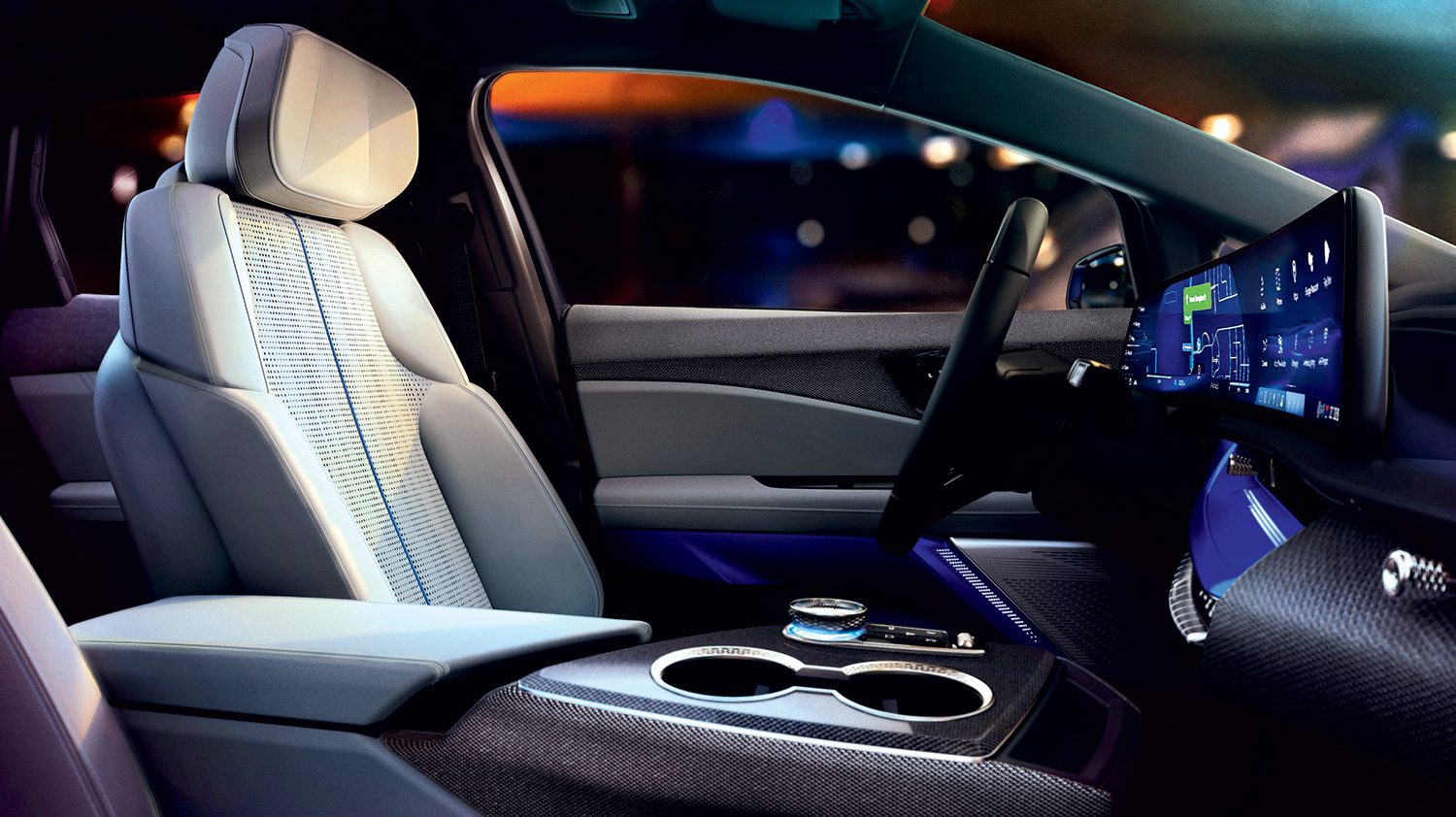
With a high beltline, only the Optiq’s glass roof gives the interior enough light to prevent a slightly claustrophobic feel. Once you get there, though, the interior is splendid. Fabrics feel like real woven cloth, though they’re auto-interior-grade durable, and Cadillac has pulled off the delicate act of using mild bright-blue accent trim just enough—but not too much. US buyers historically haven’t cared about the sustainability of a car’s interior, but the Optiq uses what it calls PaperWood veneer (ingredients include tulip wood and recycled newspaper) and patterned accent fabrics made of yarn from 100% recycled feedstock.
Deliberate acceleration—until the Optiq-V appears
An 85-kilowatt-hour battery pack powers two drive motors with combined output of 224 kilowatts (300 horsepower) and 354 pound-feet (480 newton-meters) of torque. All-wheel drive is standard.
The recently announced Optiq-V performance model will rocket from 0 to 60 mph in 3.5 seconds if drivers use its Velocity Max mode.
Acceleration of the standard Optiq can best be termed deliberate. It’s fine for standard use, and—if any Cadillac owner ever uses it—the Sport mode adds some punch. The standard Optiq just doesn’t offer the kind of kick-in-the-back acceleration found in Teslas. That’s left to the recently announced Optiq-V performance model, whose power rises to 382 kW (519 hp) with 650 lb-ft (880 N-m) of torque. Cadillac says the Optiq-V will rocket from 0 to 60 mph in 3.5 seconds if drivers use its Velocity Max mode. The Optiq-V goes into production this autumn as the priciest model in the Optiq range, starting at $68,795, with a range that GM estimates at 275 miles.
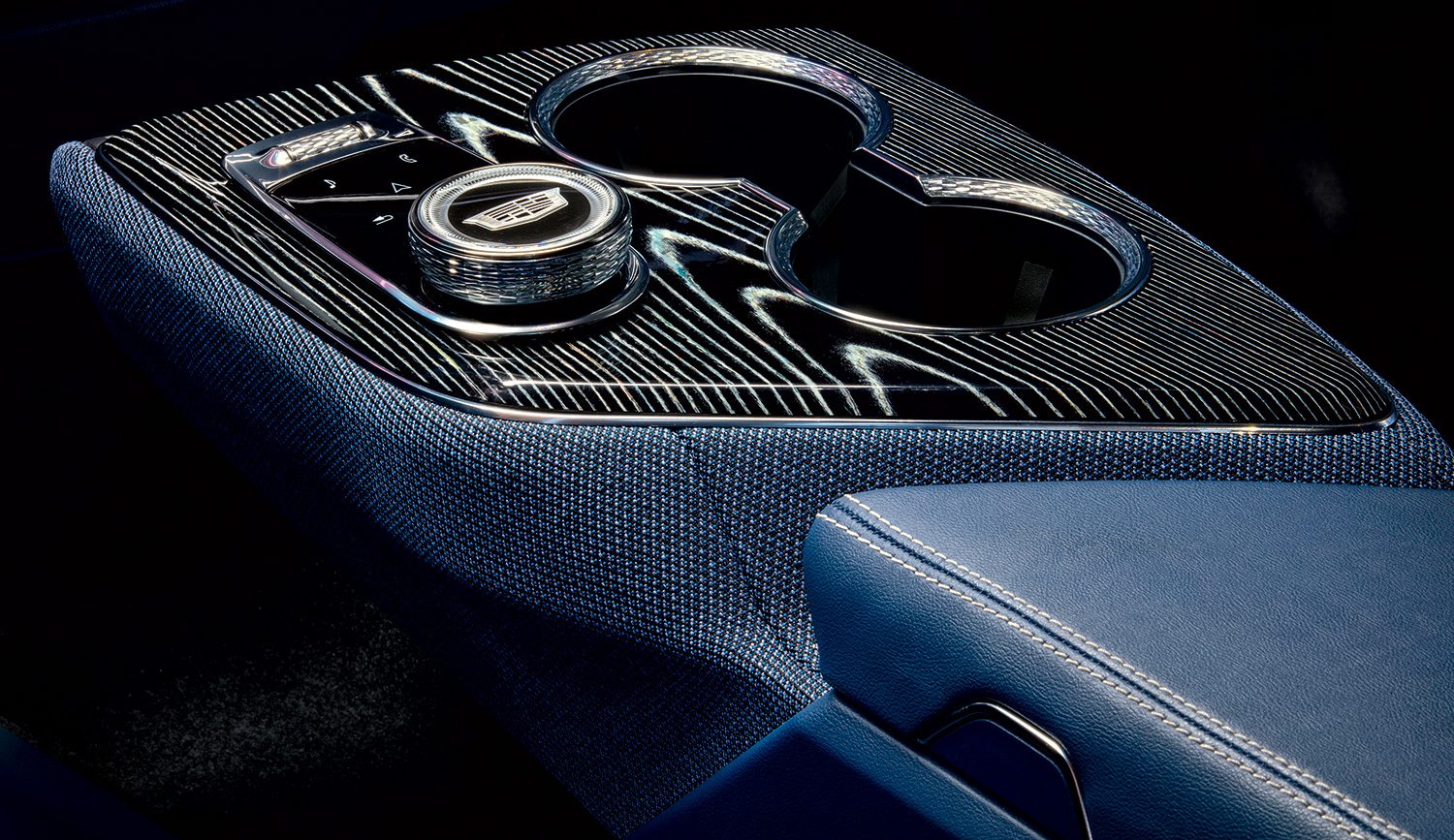
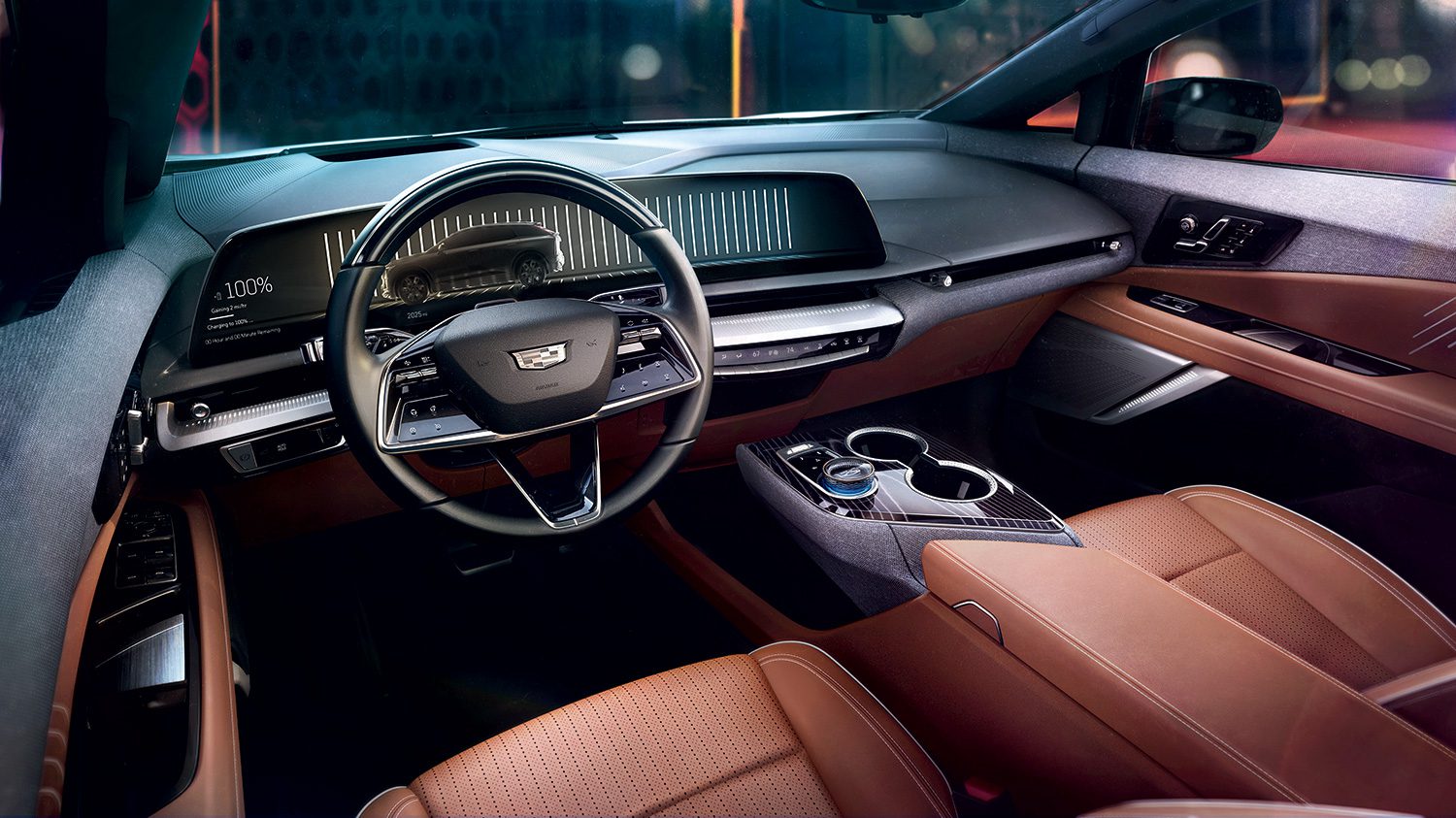
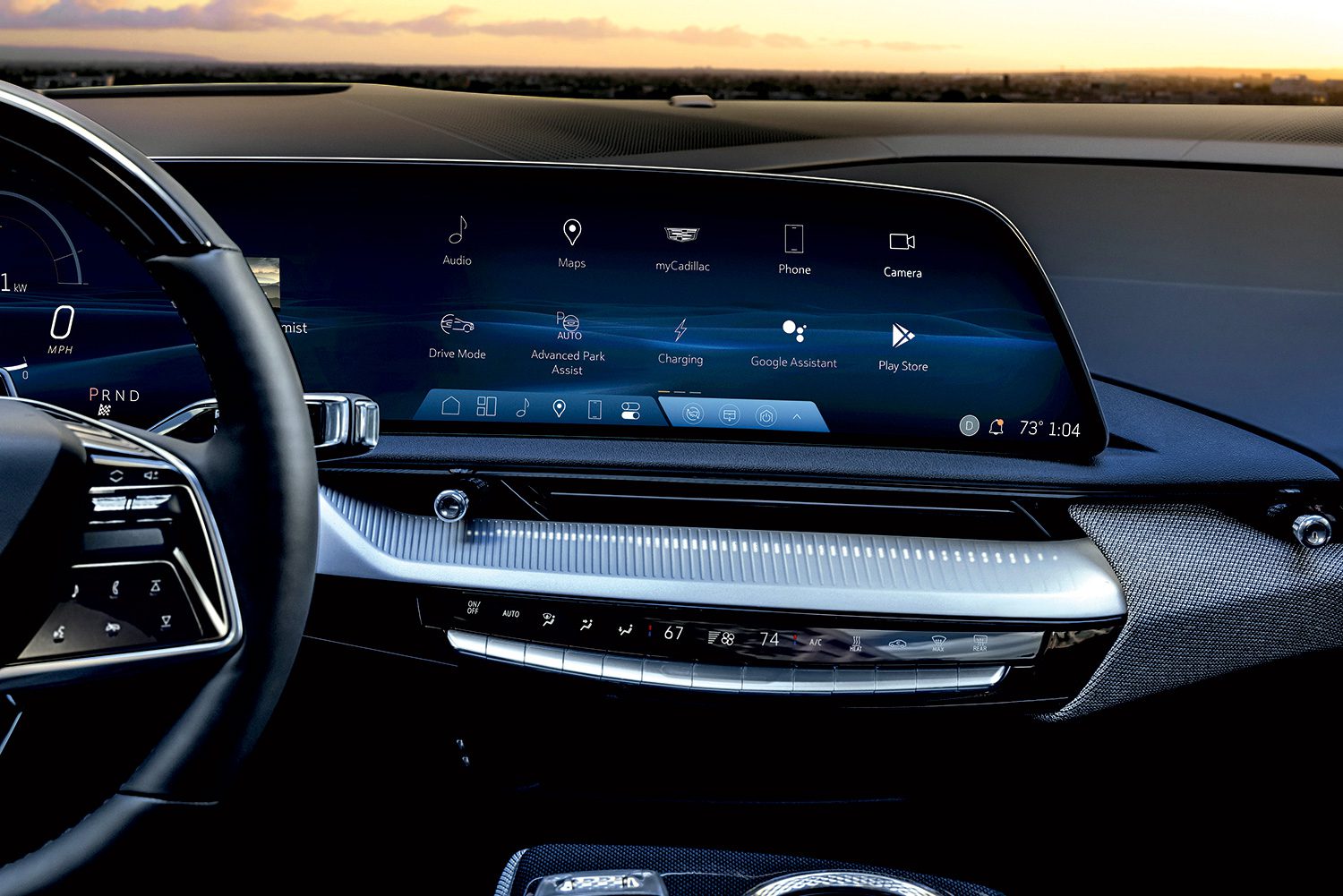
The compact Cadillac holds the road fine and is easy to drive—the weight and suspension are tuned to make potholes less jarring and smooth bad road surfaces. GM has superbly calibrated regenerative braking and one-pedal driving algorithms, and the Optiq’s learning curve overall shouldn’t be as steep as that for a Tesla or other entirely screen-based EVs.
The Optiq hardly leads the pack on charging speed, however. The difference in fast charging times is only a few minutes, but Cadillac is behind in the specs war against 800-volt EVs like the Genesis GV60, which charges at up to 300 kilowatts. On our Optiq road test, the fastest rate we saw was 107 kW (at a station rated for 150 kW) while taking the battery from a 25 percent to a 60 percent charge—after preconditioning before we arrived at the charging site. Cadillac claims the Optiq can gain up to 79 miles of range in only 10 minutes, though that’s the usual manufacturer statistic achieved under ideal circumstances of battery temperature, ambient temperature and low state of charge. As they say, your mileage may vary. The onboard AC charger is capable of up to 11.5 kW.
Optiqs built through most of 2025 use a CCS fast charging port. However, the upcoming Optiq-V will have a native NACS (SAE J3400) connector built in—the first GM electric vehicle so equipped.
Optiqs built through most of 2025 use a CCS fast charging port. However, the upcoming Optiq-V will have a native NACS (SAE J3400) connector built in—the first GM electric vehicle so equipped. The company said in June 2023 that it would adopt NACS across its portfolio. Now, more than two years later, it’s starting to happen; the rest of the Optiq line will likely follow suit.
The combined range rating from the EPA presently sits at 302 miles, which likely means around 260 miles at highway speeds using climate control. Crucially for road trips, that’s still beyond the distance many drivers can comfortably go without a rest stop.
Silent, spacious and Super Cruise
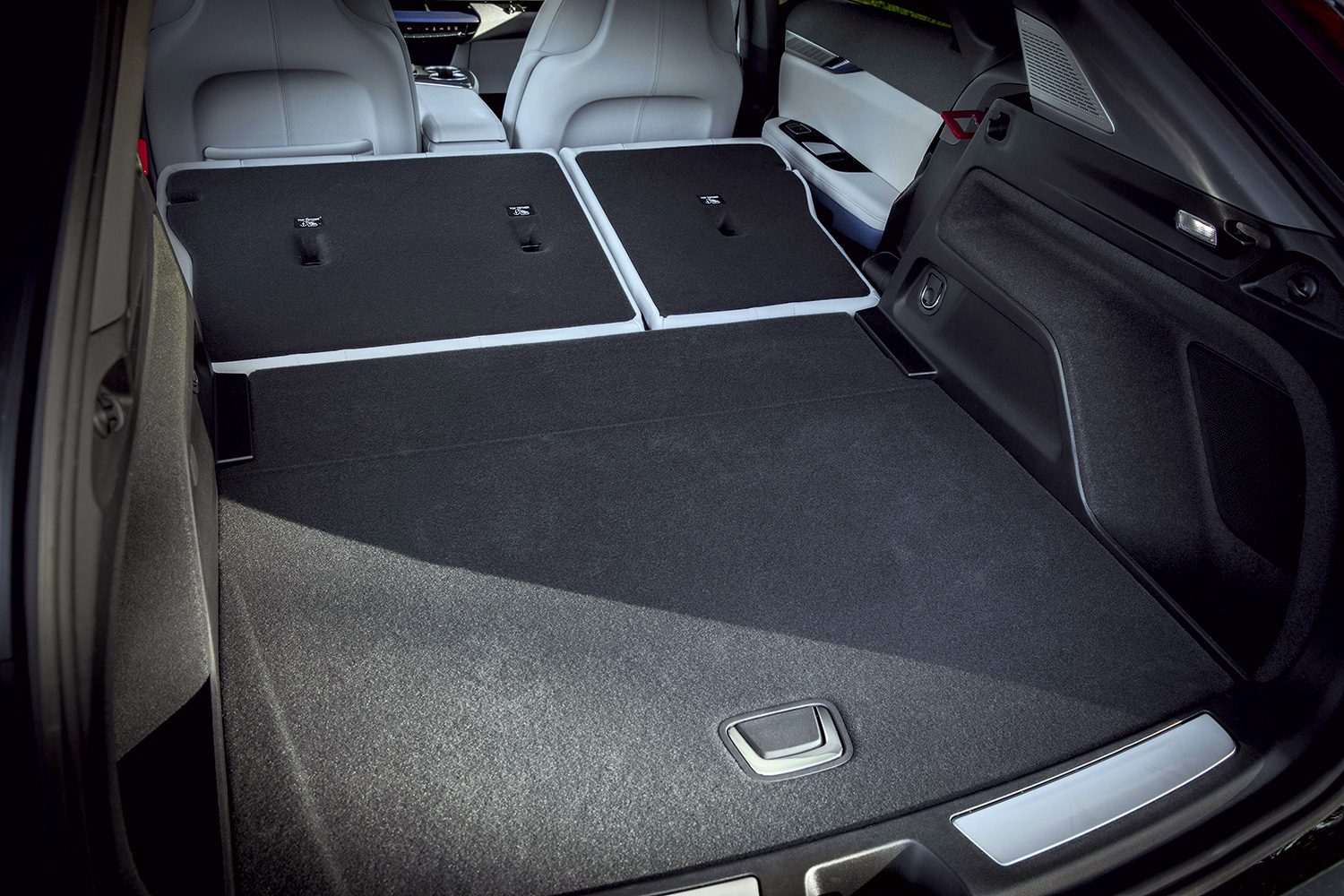
Interior space in the Optiq is ample for four. It’s large enough, even as a so-called compact SUV, to accommodate three people in the rear seat without making them elbow or jostle each other. But like all of GM’s current EV lineup except for the huge trucks, the Optiq has no front trunk—a missed opportunity to underscore an EV advantage that cars with combustion engines simply can’t offer. The Optiq also lacks a rear wiper, whereas the Chevrolet Equinox EV that shares its basic understructure has one as standard. The luxury brand claims airflow through the Optiq’s “rear flow-through spoiler” directs air over the glass at a high enough velocity to keep the rear window clean. After several spring deluges en route, we disagree. Cadillac also suggested that we use the video rear-view mirror function (instead of a rear window we could see through).


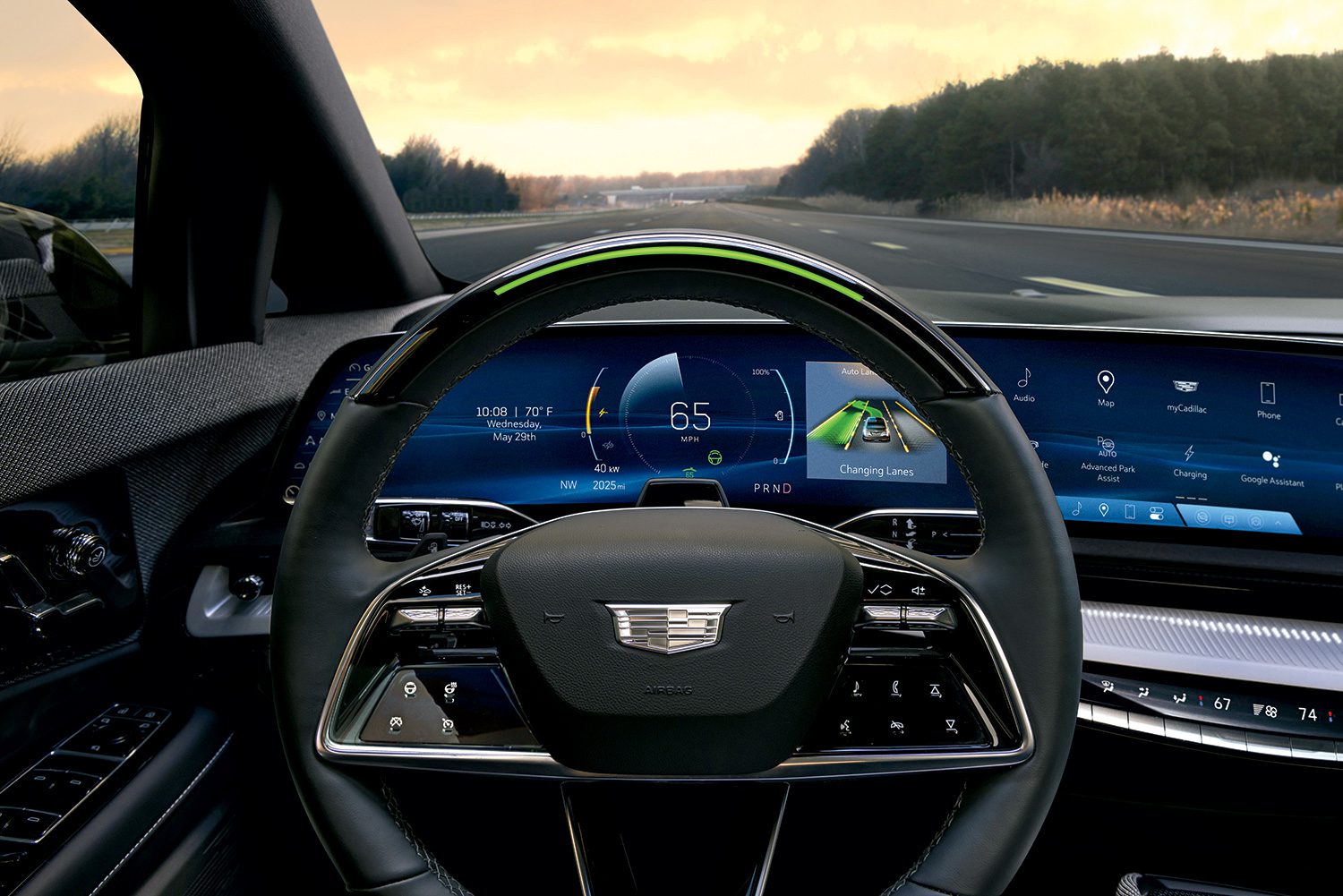
The Cadillac Optiq is probably one of the quietest cars we’ve ever driven, even for an EV. The experience of driving or riding in an Optiq is calm, smooth, pleasant, and altogether nice inside. That makes it an easy vehicle in which to cover miles—especially with the Super Cruise hands-off adaptive cruise control. Many analysts view Super Cruise as the best of the small number of hands-off adaptive cruise control systems offered in cars.
For the last year or so, the system has included automatic lane changes: it will check to ensure the overtaking lane is clear, signal, change lanes, pass the other car, then return to the slower lane. (That last step will be particularly appreciated by everyone who’s sat behind a driver going far too slow in the fast, or overtaking, lane.) Cadillac and other GM brands alert the driver to both lane departures and upcoming lane changes by vibrating the driver’s seat bolster on the relevant side. That conveys the message to the driver, without alerting other occupants as audible warning tones do. Drivers appreciate that.
Google Maps in the dash routes the Optiq among charging stations en route and notes a charging site is “slow,” “fast,” or “very fast.”
Google Maps in the dash routes the Optiq among charging stations en route once drivers enter a destination into the system that exceeds the car’s range. Anyone who’s used Google Maps before will find that the mapping and routing works predictably enough, though it’s still not quite up to Tesla standards of seamlessness. Nor are the various charging stations among which the Optiq routes itself, operated by multiple networks, nearly as reliable as Superchargers. The system notes a charging site is “slow,” “fast,” or “very fast”—and importantly, it preconditions the battery automatically if it knows it’s headed for a DC fast charging site.
No phone mirroring (for US buyers)
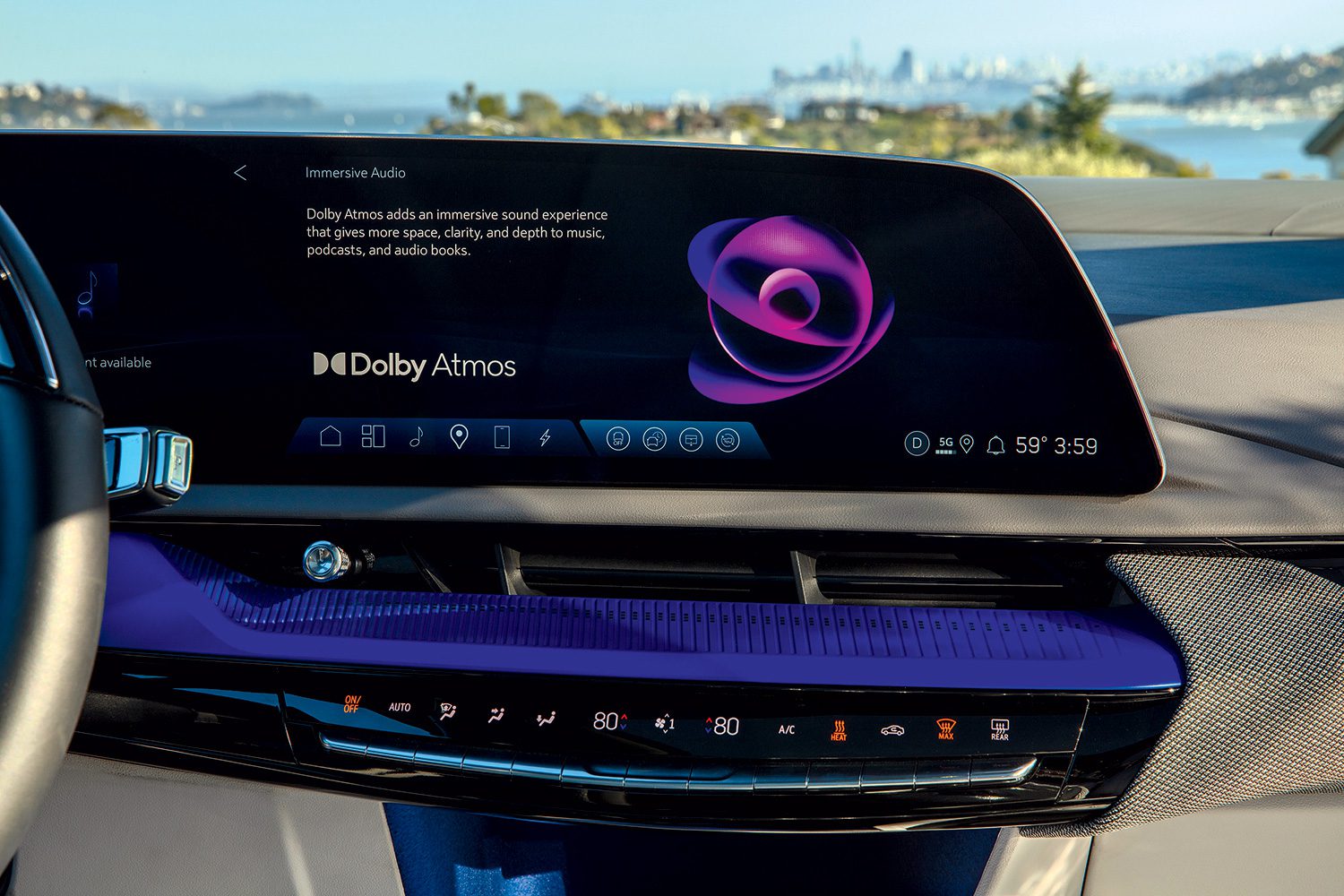
One feature most buyers will likely expect—but not find—is phone mirroring into the central touchscreen via Android Auto or Apple CarPlay. Tesla, Rivian and Lucid have never offered mirroring, and GM has chosen to remove it from its latest electric vehicles (in the US—it’s still right there in the dash for buyers in at least some other countries).
So, drivers and family members will have to remember their user names and passwords for the dozen or more apps in the dash they use regularly. (Do you remember your Spotify login info?) The Optiq gives access to those apps via its cellular connection. For three years. Then the hammer comes down: owners who want to continue to use their apps must pay Cadillac to continue to receive “App Access” beyond that. The fee is $15 each month, or it can be bundled into plans for OnStar and other features. Note that the App Access fee is on top of the $25-per-month cost to continue Super Cruise, which has its own 36-month free trial period.
Both luxury cars and EVs have higher leasing rates than other models, so we surmise the first buyer won’t have to worry over the three-year lease—and GM doesn’t sell new cars to those who will buy these models used. Except now it can target them as a source of recurring monthly fees. Why did GM do this? It’s one aspect of the “digital services revenue” that carmakers promised the financial world would earn them billions of dollars a year in new revenue. Buyers are the losers here; they must pay a monthly fee for a feature they used to get for free. Or revert to the distraction of a handheld phone, the reason phone mirroring was invented in the first place.
After spending eight days and 840 miles in an Optiq around New York City and environs, including forays into the rural agricultural regions of the state, we think it shows real promise. It’s quiet, comfortable, and well-suited to highway miles. Our few reservations sit with its software, and that has to be a matter for the paying customers to take up with GM.
This article first appeared in Issue 73: July-September 2025 – Subscribe now.
from Charged EVs https://ift.tt/6zrnB2q




No comments:
Post a Comment