Mercedes-Benz is preparing to release an improved version of its eSprinter electric delivery van, and—hurrah!—will start selling it in the US.
The current-generation eSprinter, which is sold only in Europe, manages a mere 93 miles of range. A pre-production prototype of the new version recently took a road trip from Mercedes HQ in Stuttgart to the Munich airport, through the mountains of the Swabian Jura. The van finished the 295-mile journey with about 12 miles of range left in the tank, and logged an average efficiency of 2.8 miles per kWh (no other technical specs have yet been released).
The prototype was fitted with the largest of three battery pack options that will be available at launch, and Mercedes says this is the pack that will be included on eSprinter models built for the American market.
The next-gen eSprinter will make its official debut in February 2023, and will go on sale soon after that. Production will begin at two plants in Germany in February, and in Charleston, South Carolina in the second half of 2023.
In recent years, the demand for high powered electronics has grown exponentially. With rapid growth in electric/hybrid vehicles, we are seeing that more electronics and power modules are needed to keep up with demand. However, EV/Hybrid vehicles are not the only applications driving this increased demand. Other major applications, such as rail traction, wind turbines, photovoltaic inverters and motor drives are also driving the increased demand. These applications are extremely demanding and are operating at high voltage and high current densities that must cope with high temperatures and harsh conditions. One of the key components for a highly reliable power module is an extremely reliable metal ceramic substrate. Substrate materials for these applications must have outstanding characteristics in terms of electrical, thermal, insulation, and mechanical performance during operation. To have a reliable system in place you need to have a compatible interconnection and assembly materials like solder paste, sinter paste, and wire bonding, to name a few.
Due to cost efficiency, Al2O3 based metal ceramic substrates, like direct copper bonded substrates are often used for power module manufacturing. Although, it is a cheaper solution, it is not always the best for certain applications, especially for high power modules. Al2O3 based ceramic substrates struggle to harness the full power of wide band gap semiconductors. In this instance, a superior substrate is needed. Silicon nitride (Si3N4) based metal ceramic substrates have been used in recent years for power module assembly. Its superior mechanical properties, such as bending strength, fracture toughness and thermal conductivity makes Si3N4 an attractive solution for a highly reliable, high power density module base. Today Si3N4 substrates are manufactured using active metal brazing (AMB) technology, which uses Ag-filled and titanium containing brazing pastes. Precious metal and complex processing steps drive the prices up for AMB substrates making it a more expensive option.
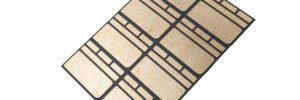
Heraeus Electronics has developed a solution that solves the cost and performance roadblocks previously described. It is a cost efficient, highly reliable Ag-free AMB copper bonding technology for joining nitride-based ceramics with copper foils. The material was developed using a technique where there is no requirement for using expensive vacuum-based brazing and longer process time. The product is named: Condura®.ultra, a Si3N4 Ag free AMB substrate.
Key Features
Outstanding reliability and processing (eg. Sintering, bonding, soldering…)
Cost efficient Si3N4 metal ceramic substrate
Enables thick Cu layers
Thinner ceramics vs. AIN possible for equal thermal
resistance
Thermal conductivity of Si3N4 ceramic:
> 80 W/m∙K
> 60 W/m∙K
Condura®.ultra is a cost-efficient Ag free AMB bonding technology for metal ceramic substrates that are suitable for high end applications. The cost reduction of Condura®.ultra is achieved by using a silver-free brazing technology combined with an efficient brazing process.
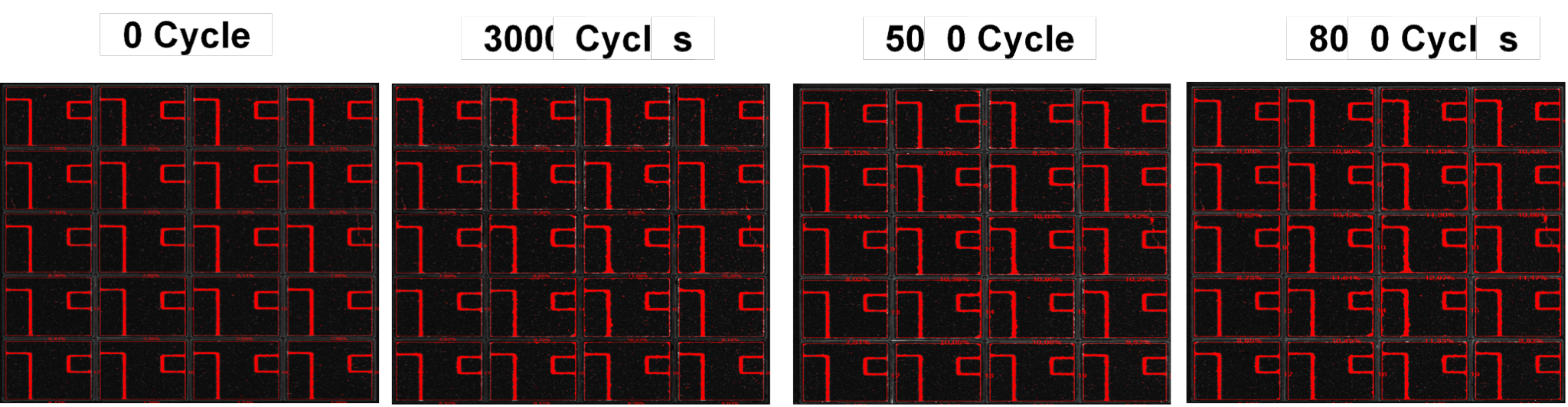
Below in Figure 1, it gives a look at the thermal shock performance of Condura®.ultra.
SAM pictures of 20 individual Condura®.ultra test layouts before and after thermal shock tests (liquid to liquid -65 ° C to + 150 ° C). No major degradation is visible after 8000 cycles. The red color indicates the etched isolation groove which is part of the test layout. In the event of delamination between copper and brazed metal due to thermal shock, the red color groove would broaden. This shows that Condura®.ultra qualifies to fully leverage the mechanical robustness of the Si3N4 ceramics in a similar manner as the Ag containing AMB technology.
Heraeus Electronics exhibits at PCIM Europe 10-12th May
Condura®.ultra will launch globally this year at PCIM Europe. PCIM Europe is the leading conference and exhibition for power electronics, renewable energy, and energy management, taking place in Nuremberg from May 10-12, 2022. While at the show visit Heraeus Electronics in Hall 6, Booth 322 to speak with our team about Condura®.ultra or some of our other new solutions for interconnects and die attach.
Join Heraeus Electronics Live at the e-mobility forum
On Tuesday May 10th at 11:20am CEST Heraeus Electronics will offer a sneak peak at our mAgic® Copper Sinter Paste with a presentation titled “ How near is copper sintering”. For more information, please visit us at the show or reach out to your local account manager.
On Wednesday May 11th at 12:50pm CEST Heraeus Electronics present on the Condura® product family and how Heraeus Electronics will meet rising customer expectations on the reliability, thermal performance, lifetime and price of metal ceramic substrates. Also in this presentation a new addition to the Condura® product line will be unveiled.
Most high-powered electric vehicle DC fast chargers require three-phase 480 V input, restricting many possible sites from installing new hardware without costly and time-intensive infrastructure upgrade projects.
One solution is to install battery-integrated DC fast chargers that require lower input than conventional fast chargers. Energy storage solutions can enable fast charging without extensive electrical upgrades as well as help control ongoing energy costs by reducing peak power demands on the grid and unlocks an entirely new category of distributed energy services.
Join this webinar, where we will discuss the benefits of using energy storage for EV charging with FreeWire Technologies Founder and CEO Arcady Sosinov.
The webinar, hosted by Charged on December 15, 2022, at 1:00 PM EDT, will feature a presentation and a live Q&A session.
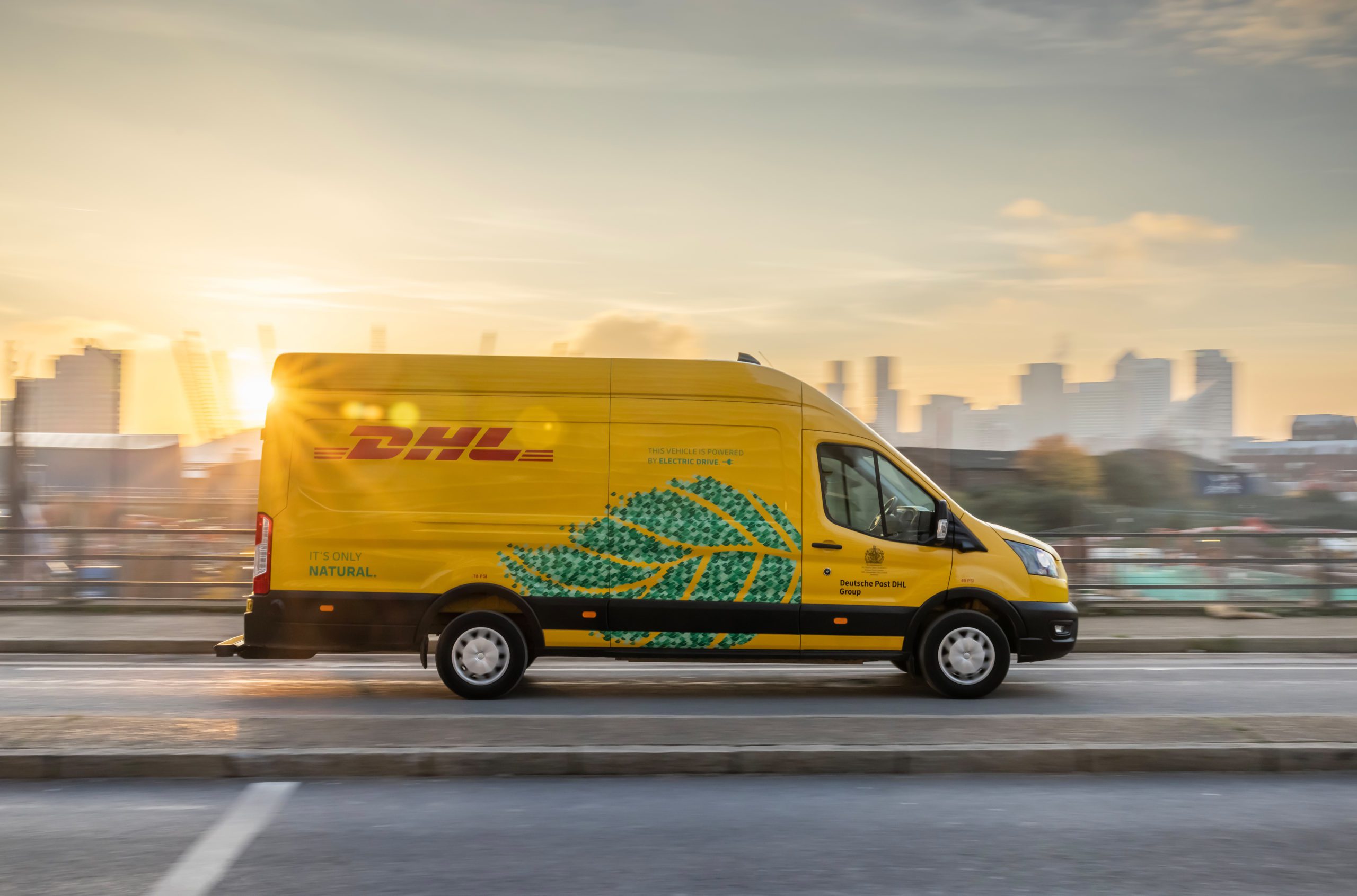
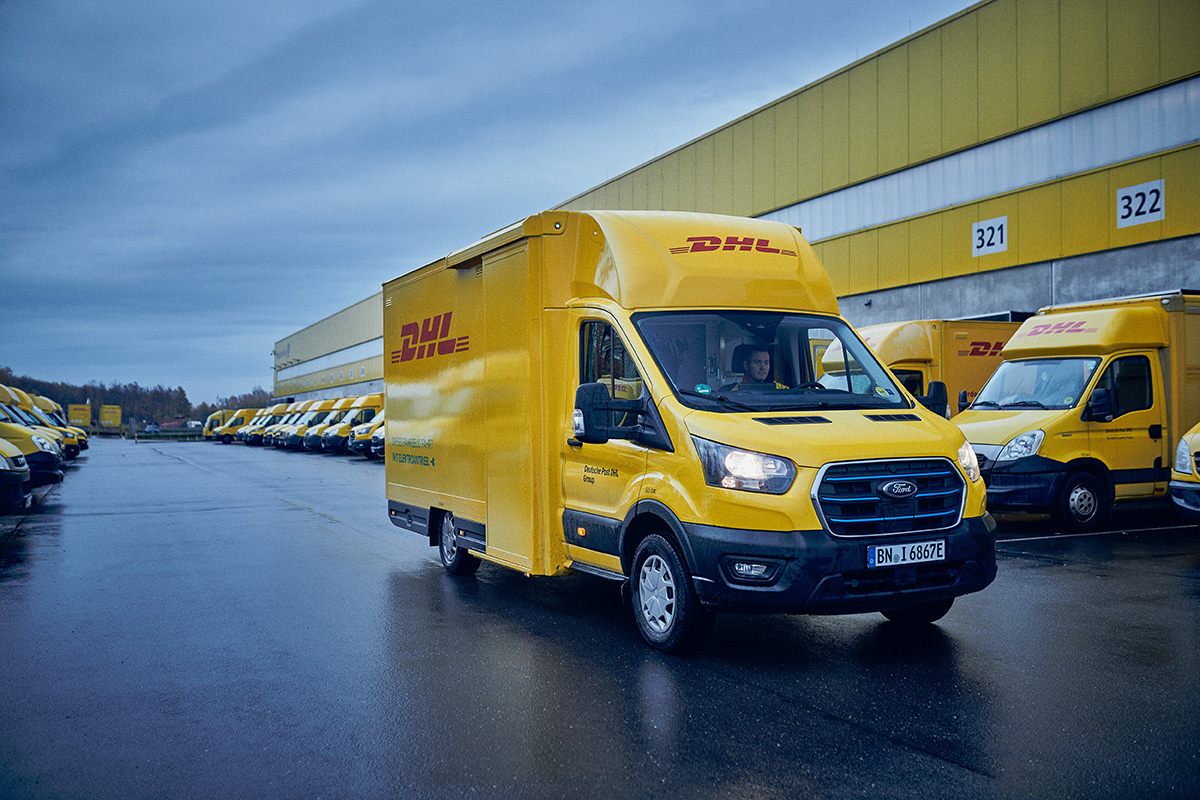
Deutsche Post DHL Group is going electric—the German logistics giant plans to invest some 7 billion euros in electrification between now and 2030, by which date it aims to make 60% of its delivery vehicles zero-emission. The company currently operates a substantial number of Ford EVs at several locations around the world.
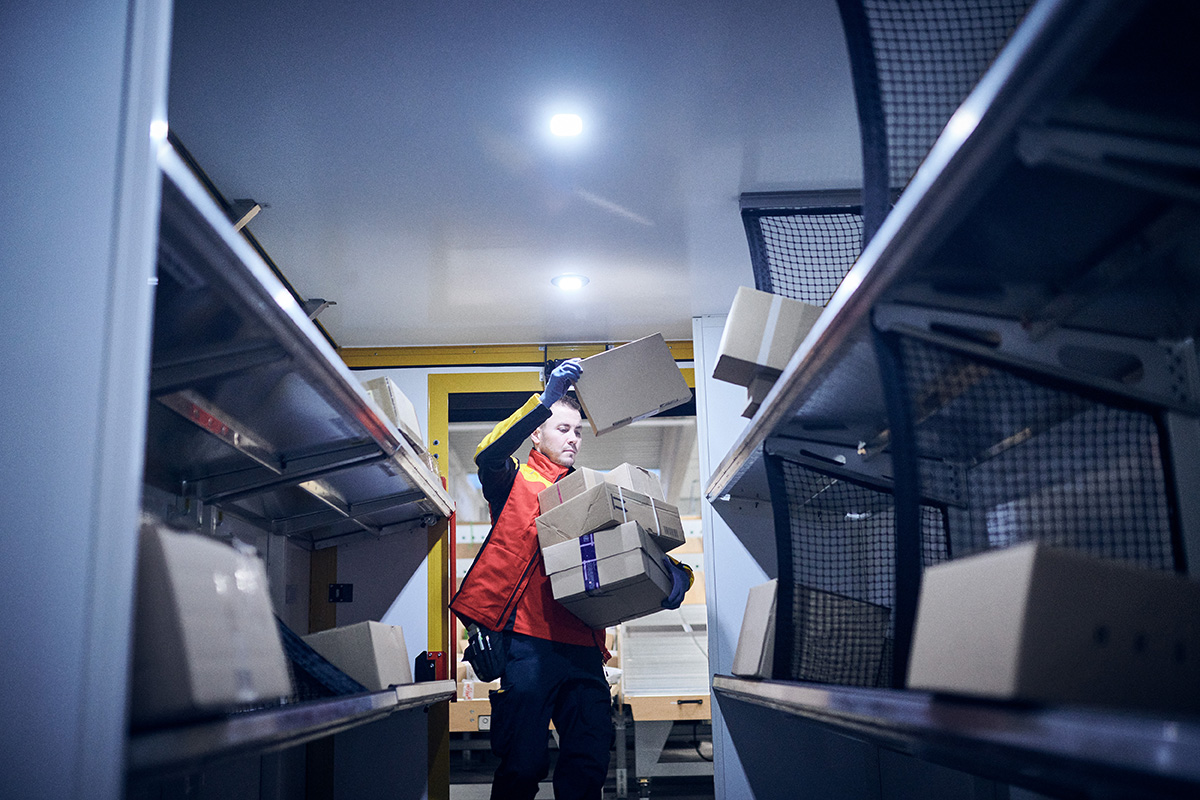
Now DHL has announced plans to buy more than 2,000 electric delivery vans from Ford by the end of 2023. Ford Pro, the automaker’s fleet division, has already handed over several E-Transits under the agreement, which will join DHL’s last-mile delivery fleet in several countries. The order volume concentrates on E-Transit panel vans designed for handling express shipments in the Americas and Europe.
The agreement also includes a suite of fleet management products and services, including Ford’s connected E-Telematics software and charging solutions.
“Ford Pro and Deutsche Post DHL Group share the vision of greater sustainability and a commitment to electrified solutions,” said Hans Schep, General Manager, Ford Pro Europe. “E-Transit is the top-selling commercial EV in North America and since June is also the best-seller in its segment in Europe, meaning the all-electric 2-ton van is already making big strides to support this ambition.”
“Electrification of last-mile logistics is a major pillar to decarbonize our operations” said Anna Spinelli, Chief Procurement Officer and Head of Mobility at DHL. “Adding the new Ford E-Transit to our global fleet of around 27,000 electric vans further strengthens our capability of providing green delivery services worldwide.”
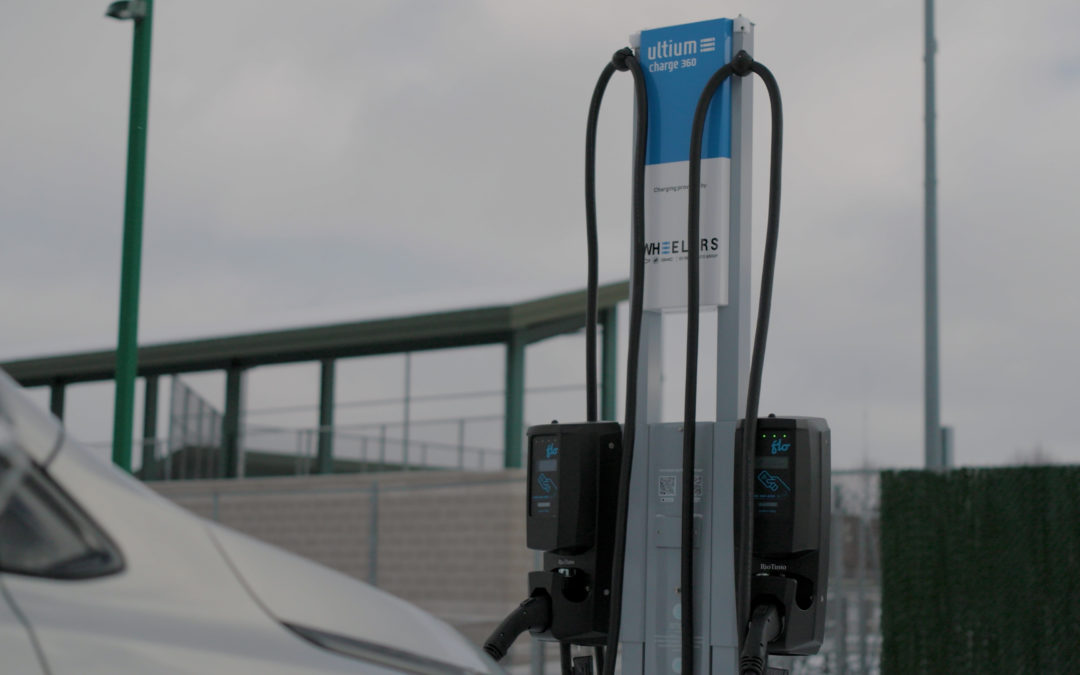
Auto dealerships, which EV advocates have long seen as bottlenecks and bogeymen, could soon be deploying vast numbers of public charging stations. On the heels of the news that Ford’s US dealership network will be installing up to 4,000 DC fast chargers over the next few years, we learn that GM has selected charging provider FLO as the supplier for the automaker’s Dealer Community Charging Program, which will install up to 40,000 public Level 2 EV chargers in local communities across North America.
FLO will provide its CoRe+ MAX chargers to participating dealers. These new charging stations will join the FLO network and GM’s Ultium Charge 360 network, and will be available to all EV drivers.
FLO’s CoRe+ MAX charger delivers a maximum power output of 19.2 kW. FLO will manufacture the chargers for GM in North America, primarily at its new assembly facility in Auburn Hills, Michigan and at its plant in Shawinigan, Quebec (both near Detroit).
One aim of GM’s Dealer Community Charging Program is to expand public charging access in underserved rural and urban areas. Participating dealers are eligible to receive up to 10 Level 2 charging stations, which will be installed in key public locations including workplaces, multi-unit dwellings, event venues, colleges and universities. The first chargers were recently installed in Wisconsin and Michigan at a park, library, sports complex and wellness center.
“GM is a long-term valued collaborator, and we are proud to support this effort to grow access to public EV charging in thousands of local communities across North America,” said Louis Tremblay, FLO’s President and CEO. “Together, FLO, GM and GM dealerships will bring reliable charging to drivers from curbside to countryside.”
“With FLO’s collaboration and the support of our dealer community, we’ll significantly expand reliable and convenient infrastructure across the US and Canada,” said Hoss Hassani, VP of GM EV Ecosystem.
Model 3 has been awarded 5-stars with a Weighted Overall Index of 9.8/10 by Green NCAP, an independent initiative helping consumers evaluate vehicle sustainability. In its analysis, Green NCAP considers a vehicle’s energy efficiency, as well as its emission of greenhouse gasses and air pollutants.
With more than a decade of use and 20 billion EV charging miles to its name, the Tesla charging connector is the most proven in North America, offering AC charging and up to 1 MW DC charging in one slim package. It has no moving parts, is half the size, and twice as powerful as Combined Charging System (CCS) connectors.