
DiscoverCars.com

Tuesday, February 15, 2022

InnovationLab’s new battery monitoring system gathers cell-level data


Printed electronics company InnovationLab has announced a new battery monitoring solution for EVs called BaMoS.

BaMoS is composed of sensor foils, electronics and software. The ultra-thin printed sensor foils measure cell-level pressure and temperature in batteries. The pressure sensors are placed between battery cells, and measure state of charge, identify unusual behavior and prevent overcharging. The electronics component gathers and processes the data. The solution also includes software which provides live visualization, storage and analysis of the data. The size, resolution and substrate material of BaMoS can be adjusted according to customer preferences.

According to InnovationLab, the ability to collect cell-level data can increase battery lifetime by up to 40%, and the new technology would help manufacturers extend the range of EVs by improving battery R&D.

“Measurement is the first step that leads to improved control and battery performance. Our flexible, ultra-thin printed sensors provide the detailed, accurate data that is necessary to improve the performance and lifetime of batteries for electric vehicles,” says InnovationLab Managing Director Luat Nguyen.

Source: InnovationLab


from Charged EVs https://ift.tt/ljnvRVT

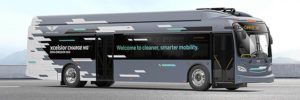
New Jersey Transit orders 8 New Flyer Xcelsior CHARGE NG electric buses


New Flyer (a subsidiary of NFI) has received a firm order from New Jersey Transit for eight Xcelsior CHARGE NG 40-foot heavy-duty transit buses, with options to purchase up to 75 more battery-electric buses under a five-year contract.

NJ Transit is America’s third-largest public transit agency—it serves around 270 million passengers per year, and has a fleet of over 2,200 buses.

New Flyer’s Xcelsior CHARGE NG battery-electric bus delivers up to 525 kWh of power, and features a new lightweight electric drive system that boasts up to 90% energy recovery.

“With nearly 2,300 transit buses and motor coaches delivered since 2001, NJ Transit has relied on NFI’s advanced technology for decades. Today, we are powering its transition to clean, battery-electric mobility,” said Chris Stoddart, President, North American Bus and Coach. “Our lighter, longer range, and fully accessible Xcelsior CHARGE NG is our most advanced EV available, and will immediately reduce greenhouse gas emissions.”

Source: New Flyer


from Charged EVs https://ift.tt/vPrHKLj

Nissan to end development of new gas engines—except for the US market


For a decade, automakers have been talking about going “all in” on an “electric future” (usually with a mention of “grandchildren” thrown in). But the true measure of commitment to a new product is for a company to stop investing its money in old products. Hyundai’s recent announcement that it would end development of new ICE technology was a major milestone.

Now Nissan has taken a step in that direction, announcing that it plans to stop developing new internal combustion engines in all its major markets except the US, and shift its focus to EVs.

According to Nikkei (via Reuters), the automaker will continue limited development of its gasoline engines for the US market, mainly for pickup trucks (a segment in which it has only a small market share).

Last December, the Japanese automaker announced a new electrification plan that includes investments of two trillion yen (around $17.6 billion) over the next five years. It said at that time that it plans to electrify at different rates in different markets. By 2026, it hopes to make electrified vehicles (EV, PHEVs and hybrids) 75% of sales in Europe, 55% of sales in Japan and 40% in China. In the electrically-challenged US, the company set a much more modest goal of 40% by 2030.

Nissan also plans to build new battery recycling factories in the US and Europe by the end of 2025.

Source: Reuters


from Charged EVs https://ift.tt/tS5W3Xz

Thursday, February 10, 2022

GreenPower to manufacture electric school buses in West Virginia


GreenPower Motor Company has signed a lease/purchase agreement for a manufacturing facility in South Charleston, West Virginia, where it will produce electric school buses. The 9.5-acre property includes an 80,000-square-foot building. GreenPower plans to begin production at the facility by the second half of 2022.

As part of the agreement, the state will provide up to $3.5 million in employment incentive payments to GreenPower.

“The state has agreed to facilitate the purchase of a minimum of $15 million in zero-emission GreenPower school buses produced at the facility,” said Brendan Riley, President of GreenPower. “West Virginia has shown us that it is a pro-business state that has a workforce ready to take advantage of clean energy jobs. As West Virginia’s economy expands and diversifies, it is important to provide skilled and high-skilled jobs to West Virginia workers for a 21st-century economy. Our facility will provide both training and immediate employment opportunities with a competitive wage.”

“West Virginia is ideally positioned to lead the nation in transitioning to electrification of the transportation network, battery research and development, and environmentally sustainable vehicles,” said Mitch Carmichael, West Virginia’s Secretary of Economic Development.

“Most importantly to the city’s future is the kind of company GreenPower is,” said South Charleston Mayor Frank Mullens. “This is a 2022 and beyond company with a sustainable product for the long run.”

States are always happy to welcome providers of manufacturing jobs, and electric school buses have an additional selling point—freeing schoolchildren from breathing noxious fumes.

“Children are more susceptible to air pollution than healthy adults because their respiratory systems are still developing and they have faster breathing rates,” said Brendan Riley. He cited studies by the Natural Resources Defense Council which have estimated that school bus diesel fumes expose children to as much as 46 times the cancer risk considered significant under federal law. Exposure to NOx exhaust is known to trigger respiratory problems such as asthma and bronchitis—and the primary source of NOx is motor vehicles.

Source: GreenPower


from Charged EVs https://ift.tt/t5cVnGS

AIMPLAS plans more efficient transformation processes for battery casing composites


The VETERIA21 Project is aimed at developing new and more efficient transformation processes for thermoplastic composites used in EV battery casings.

With funding from Spain’s Valencia Regional Government and implementation by Spain-based plastics company AIMPLAS, the VETERIA21 project aims to replace metal casings with thermoplastic composites. The company says thermoplastic composites provide several advantages, including weight reduction, “adaptability to different manufacturing processes, short manufacturing cycles, ability to be combined with other materials, weldability, easy recyclability and adaptability to the circular economy.”

Source: Green Car Congress


from Charged EVs https://ift.tt/yeJnq84

Emporia Energy and BREK Electronics to develop bidirectional EV charger


Energy management specialist Emporia Energy has partnered with BREK Electronics to develop a bidirectional EV charger that can transfer power from a vehicle to a building and/or the grid. The new product is scheduled to go on sale in North America in 2023 at a price under $1,500.

BREK, which specializes in silicon carbide-based power electronics, will develop the power electronics core and hardware for the new charger, and Emporia will develop the connector strategy and smart home integration system.

Emporia’s Smart Home Energy Management System is a suite of products that include Level 2 EV chargers, customizable home batteries with capacities from 8.2 kWh to 49.2 kWh, smart plugs, and real-time energy monitors that allow users to monitor their home energy usage. The partnership’s bidirectional charger will be the newest addition to this ecosystem.

“80 to 85% of electric vehicle charging currently takes place at the vehicle owner’s home, so the EV should really be seen as an extension of the home energy system,” said Emporia founder and CEO Shawn McLaughlin. “Being able to transfer energy from the vehicle back into the home or grid will enable widespread adoption of distributed renewable energy without taxing the grid, while generating substantial savings for the homeowner.”

“Emporia has mastered energy management technology and smart home integration with their system of products, and is the perfect match for the power electronics development we do here at BREK,” said Dr. Kala Majeti, President and co-founder of BREK Electronics. “Our hardware expertise combined with Emporia’s experience in energy management will drive the creation of a truly groundbreaking product in the EV charging space.”

Source: Emporia


from Charged EVs https://ift.tt/vbY8iHy

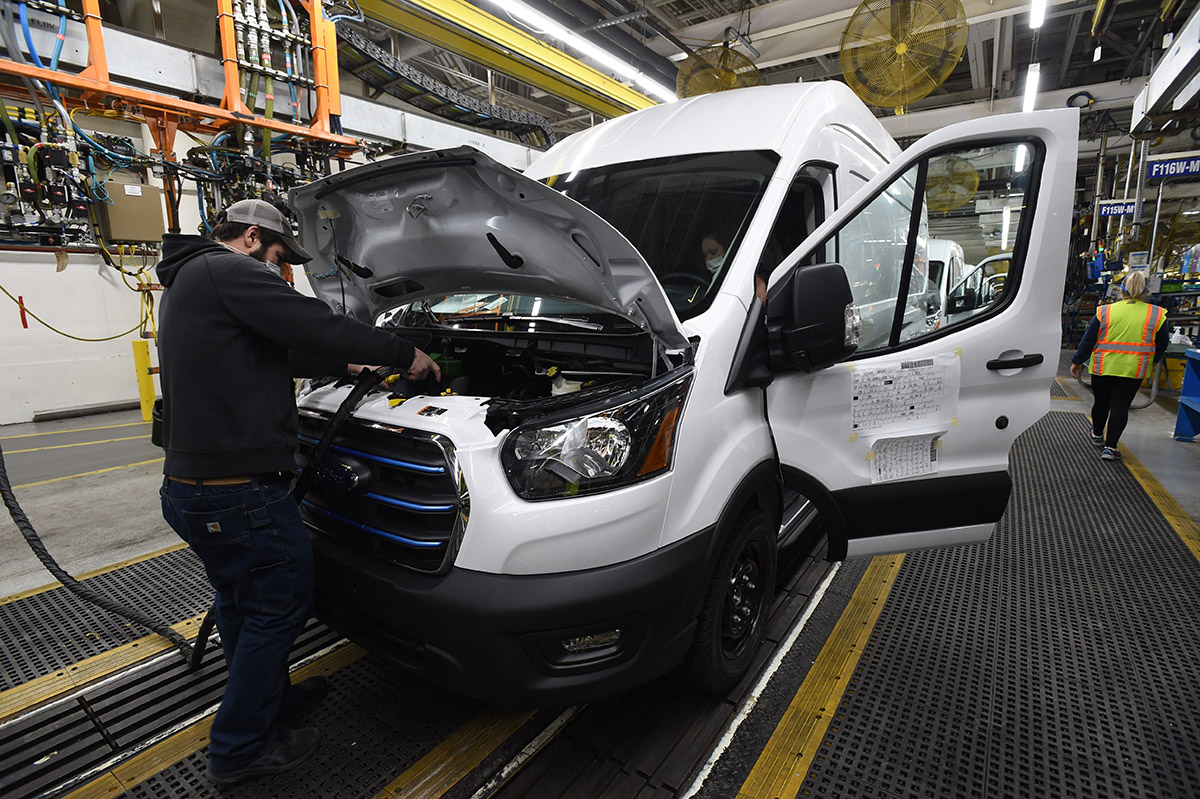
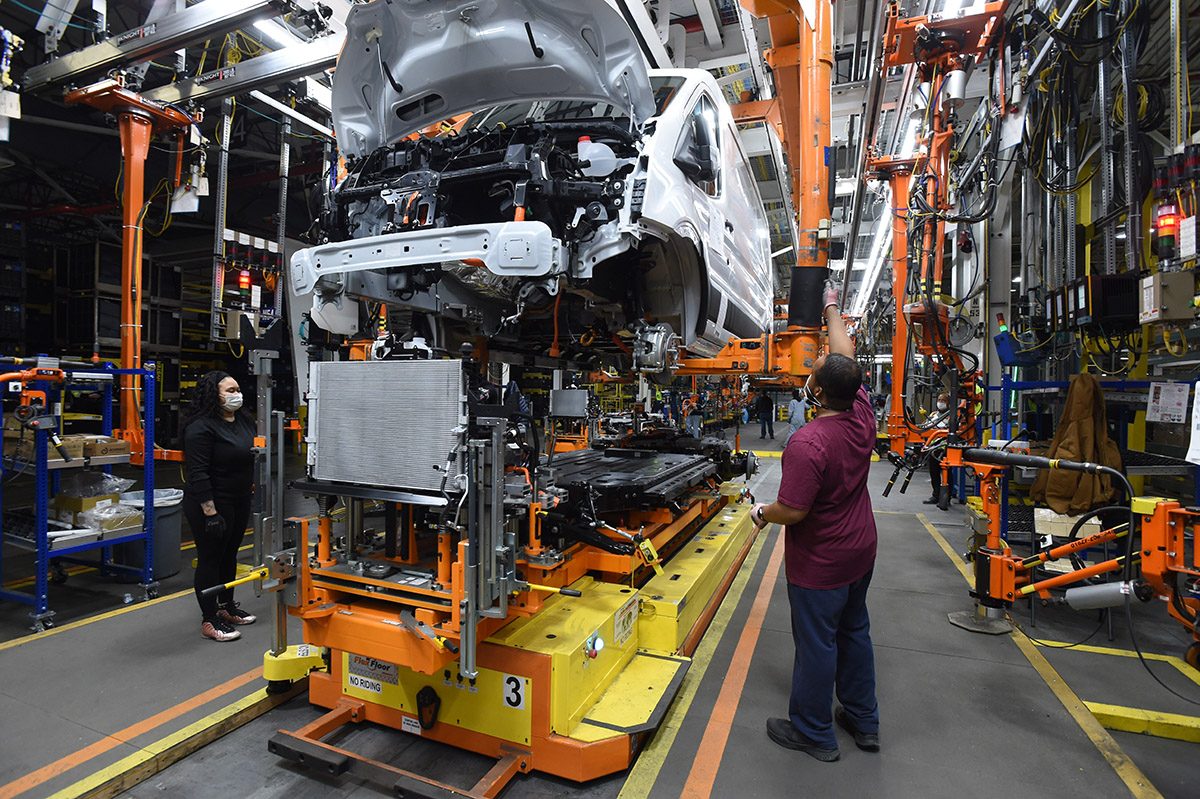
Ford begins shipping E-Transit electric van, plans to boost production


The E-Transit, the electric version of Ford’s popular commercial van, is now shipping across the US. Ford says it already has more than 10,000 orders from 300 customers, ranging from small construction companies to municipalities like the city of Orlando, Florida, to large retailers like Walmart.

The automaker is working on ways to increase E-Transit production. By the end of 2023, Ford says it will have the global capacity to produce 600,000 EVs annually, including 200,000-plus Mustang Mach-Es and 150,000 F-150 Lightning pickup trucks.

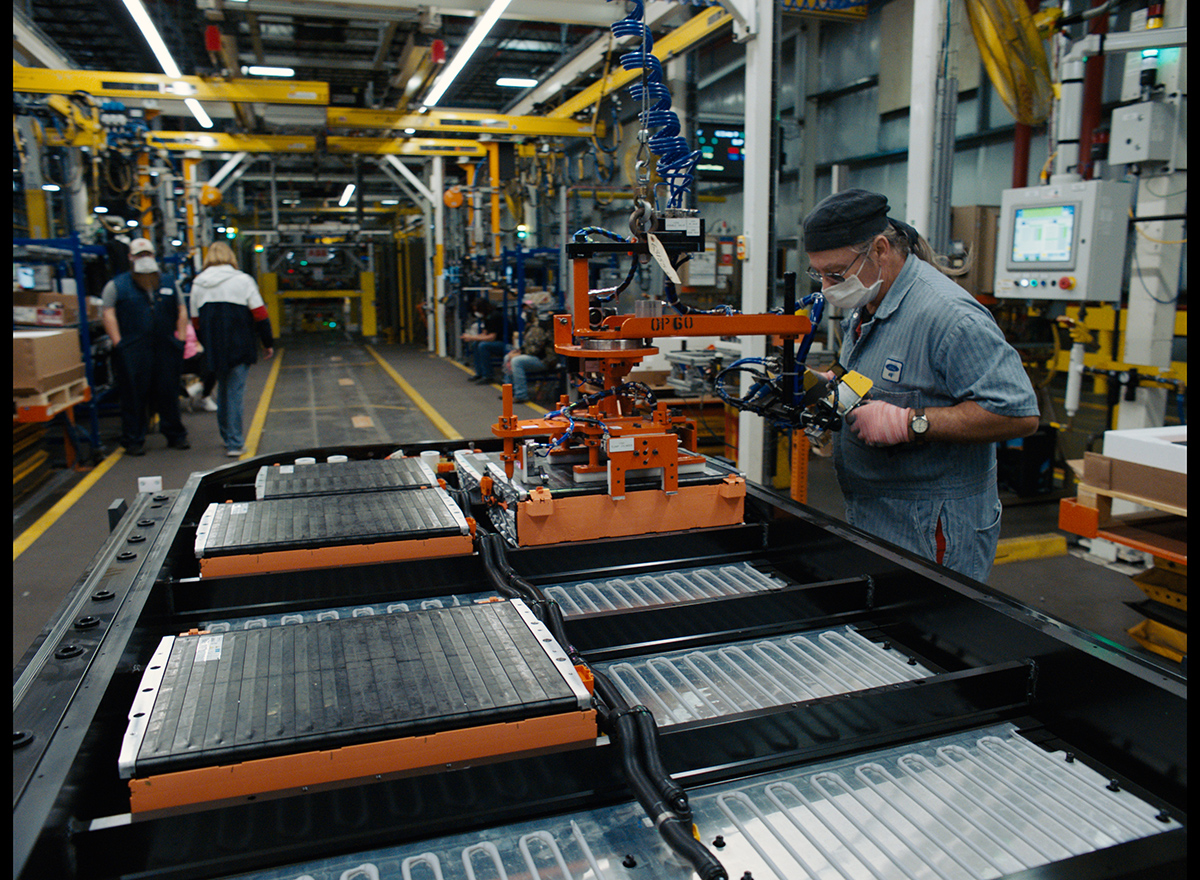
The new E-Transit is produced at Ford’s Kansas City Assembly Plant, which also assembles battery packs. Ford invested $100 million and added approximately 150 full-time jobs to adapt the plant to EV production.

“When asked if I wanted to work on the new E-Transit, I was one of the first to raise my hand and volunteer,” said John Dodd, a UAW-Ford operator at the Kansas City plant. “I’m ready to see the E-Transit on the roads, to see it make an actual impact on local businesses. The future of Ford is electric and it’s exciting.”

“Today’s production shipping announcement of the 2022 Ford Pro E-Transit vans to customers marks the beginning of a new era,” said UAW VP Chuck Browning. “UAW members are proud to take part in Ford’s commitment to build a quality new technology product that adds jobs and investment in Kansas City.”

The E-Transit’s Pro Power Onboard feature turns the vehicle into a mobile generator with up to 2.4 kW of power. Ford Pro E-Telematics is complimentary for three years with each E-Transit. Ford Pro Charging offers a variety of infrastructure solutions to fit fleet and driver needs, including home, public and depot charging.

Source: Ford


from Charged EVs https://ift.tt/YARtyJV

Chalmers researchers model reconfigurable EV battery packs that bypass weak cells

Researchers at Chalmers University of Technology in Sweden have assessed how much reconfigurable battery packs could extend EV battery lif...